
How UV Water Purification Works in Water Dispensers
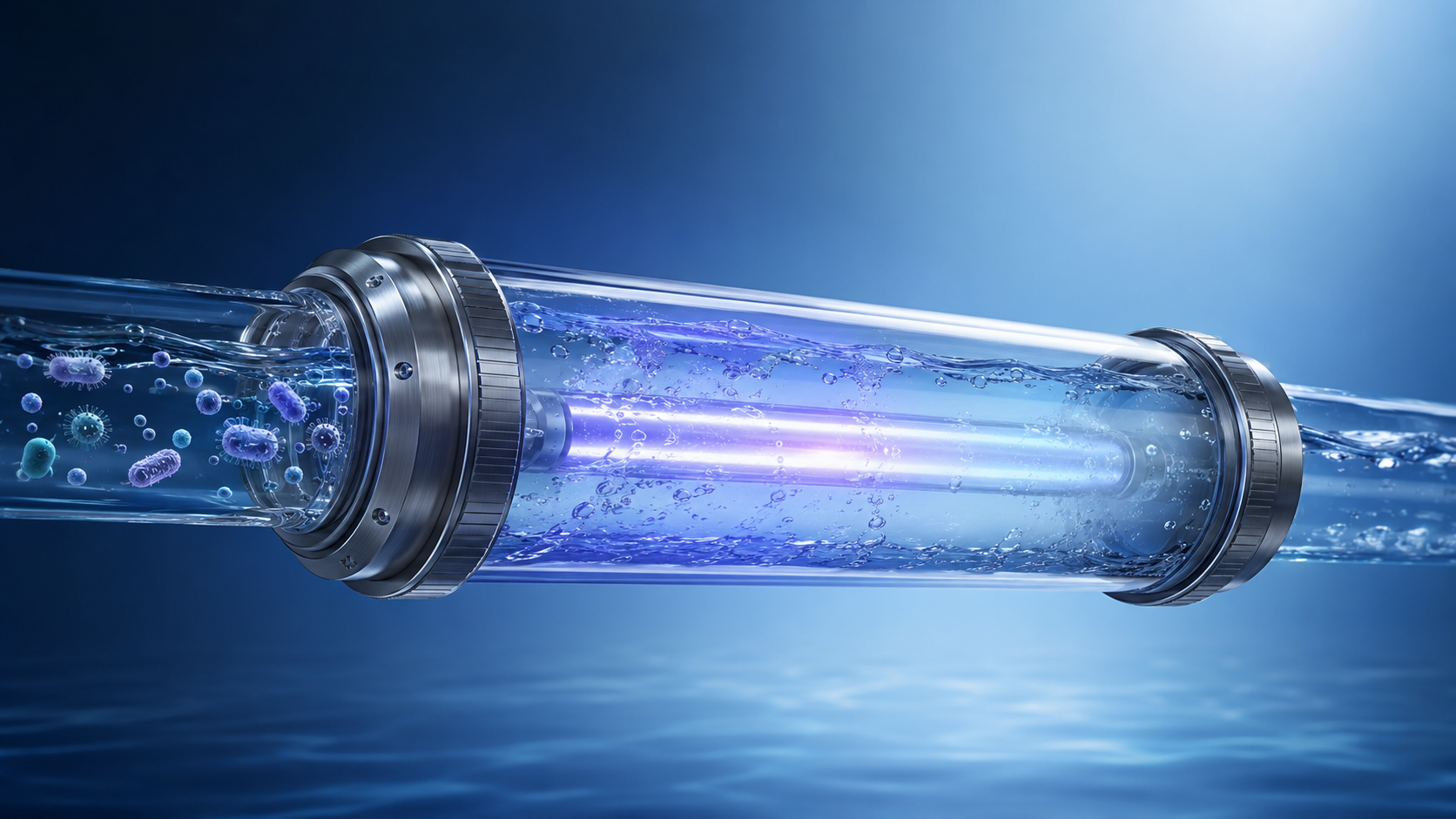
Concerned about bacteria or microorganisms in drinking water? Many homes and businesses are exploring UV water purification in Singapore as an additional layer of protection for their daily drinking water.
Singapore’s tap water is safe to drink, but water still travels through building pipes and internal dispenser components before reaching your cup. A water dispenser equipped with UV technology can provide additional point-of-use protection while also delivering convenient hot, cold or ambient water.
What Is UV Water Purification?
UV water purification uses ultraviolet light to inactivate microorganisms in water without adding chemicals.
Inside a UV water dispenser, water passes through a specialised chamber containing ultraviolet light. The UV energy damages the genetic material of susceptible bacteria, viruses and other microorganisms, preventing them from reproducing.
Unlike traditional filters, UV technology does not physically trap microorganisms. It is therefore commonly used together with sediment and activated-carbon filters as part of a multi-stage water purification system.
How Does a UV Water Dispenser Work?
The purification process usually takes place in several stages.
First, water enters the dispenser from the building’s mains water supply. It then passes through a pre-filter that reduces sediment and particles.
Next, an activated-carbon filter may help reduce chlorine-related taste, unpleasant odours and selected impurities. This improves the taste and overall drinking experience.
The filtered water then enters the UV purification chamber. It is exposed to ultraviolet light for a controlled period before being delivered through the dispensing outlet.
Waterlogic dispensers use Firewall® UVC technology, which is designed to purify water close to the point of dispense and through to the nozzle. Waterlogic reports reductions of up to 99.9999%.
Benefits of UV Water Purification
UV purification offers several benefits for homes, offices and commercial spaces:
- Provides chemical-free water disinfection.
- Helps inactivate susceptible bacteria and viruses.
- Complements sediment and activated-carbon filtration.
- Does not remove naturally occurring minerals.
- Does not normally change the taste or pH of water.
- Adds protection close to the point of dispensing.
For busy Singapore offices, a mains-fed UV water dispenser can also reduce the need to purchase, store and replace large bottled-water containers.
Does UV Replace Water Filtration?
No. UV purification and water filtration perform different functions.
UV light is mainly used to control microorganisms. It does not remove sediment, dissolved minerals, salts or most chemical contaminants. Activated carbon and other filters are still needed to improve taste, reduce particles and address selected impurities.
